
Buying Guide
How Digital Night Vision Works
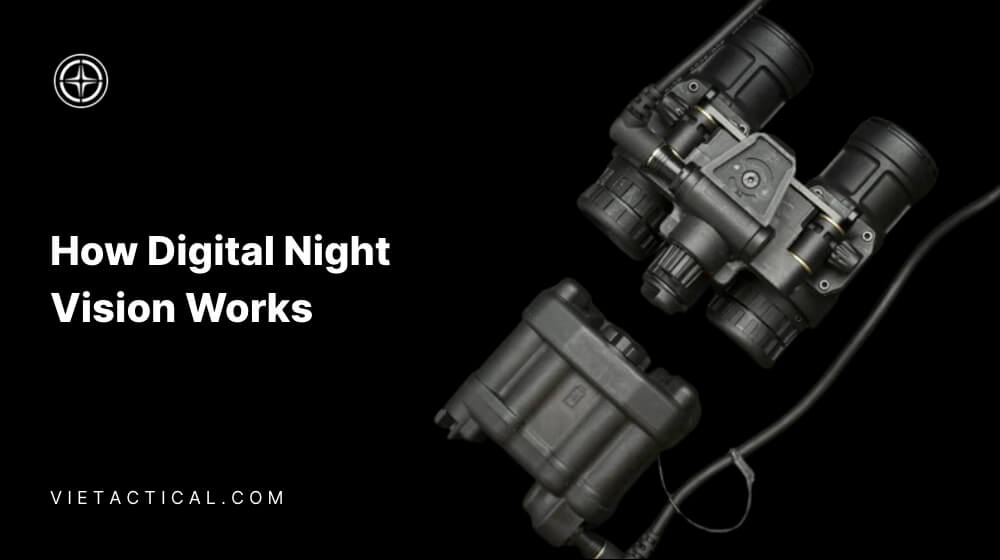
In a world that never truly sleeps, night vision technology has become an essential tool for security, wildlife observation, military operations, and even recreational activities.
Digital night vision is one of the most innovative advancements in this field, offering clearer imaging, enhanced durability, and improved functionality compared to traditional analog night vision.
But how does digital night vision work, and what makes it different from conventional night vision devices? This article will explore the science behind digital night vision, its applications, and why it is a game-changer in low-light visibility.
How does digital night vision work?
Unlike analog night vision which relies on image intensifier tubes to amplify available light, digital night vision employs image sensors, similar to those found in cameras to capture and process light electronically. This technology enhances visibility in low-light conditions using the following key components:
- Image Sensor (CCD/CMOS): Digital night vision devices utilize highly sensitive Charge-Coupled Devices (CCD) or Complementary Metal-Oxide Semiconductors (CMOS) to capture ambient light and infrared illumination.
- Digital Signal Processing (DSP): The captured image data is processed to enhance contrast and brightness, ensuring a clear and detailed output.
- Display Screen: Instead of a traditional eyepiece, digital night vision devices display processed images on an LCD or OLED screen, providing a user-friendly interface.
- Infrared (IR) Illuminators: Many digital night vision devices feature built-in infrared illuminators that emit light invisible to the human eye, enhancing visibility in complete darkness.
- Recording & Streaming Capabilities: Digital night vision allows users to capture photos and videos, making it ideal for surveillance, documentation, and outdoor adventures.
Advantages of Digital Night Vision
Digital night vision offers several advantages over traditional night vision technology, making it a preferred choice for many users.
Resilience to Bright Light Exposure
One of the biggest limitations of traditional night vision is its vulnerability to bright light, which can damage the intensifier tubes. Digital night vision, on the other hand, is more robust and can be used in both daylight and low-light conditions without the risk of permanent damage.
High-Definition Imaging
Thanks to advanced digital signal processing, digital night vision devices produce clearer, high-resolution images with better contrast and color accuracy. Some models even support full-color night vision, enhancing situational awareness.
Built-in Features for Enhanced Functionality
Digital night vision devices often come equipped with additional features, such as:
- Zoom capabilities for long-range observation
- Wi-Fi and Bluetooth connectivity for live streaming and remote monitoring
- Augmented reality overlays to provide real-time data and navigation assistance
Cost-Effectiveness
Traditional night vision technology can be expensive due to the complexity of its image intensifier tubes. Digital night vision is generally more affordable while offering a wide range of functionalities, making it accessible to a broader audience.
Applications of Digital Night VisionThe versatility of digital night vision extends across multiple industries and recreational activities:
Security and Surveillance
Law enforcement agencies and private security firms use digital night vision for monitoring areas in low-light conditions. The ability to record footage makes it invaluable for evidence collection and threat assessment.
Military and Tactical Use
Armed forces utilize digital night vision for reconnaissance, navigation, and targeting. The integration of augmented reality and heads-up displays further enhances operational efficiency.
Wildlife Observation and Hunting
For nature enthusiasts and hunters, digital night vision allows for discreet observation of nocturnal animals without disturbing their natural behavior. The ability to capture and record footage provides valuable insights into wildlife patterns.
Boating and Navigation
Navigating waters at night can be challenging, but digital night vision enhances visibility, preventing collisions and improving overall safety for sailors and fishermen.
Search and Rescue Operations
First responders use digital night vision to locate missing persons in low-light conditions, increasing the chances of successful rescues in challenging environments.
Choosing the Right Digital Night Vision Device
When selecting a digital night vision device, consider the following factors:
- Resolution: Higher resolution provides clearer images, which is essential for detailed observation.
- Battery Life: Long-lasting battery performance is crucial for extended use in the field.
- IR Illuminator Range: The range of the infrared illuminator determines how far you can see in total darkness.
- Durability: Weatherproof and rugged designs ensure reliability in extreme conditions.
- Additional Features: Look for built-in recording, Wi-Fi connectivity, and adjustable zoom functions to enhance usability.
Wrap it up!
Digital night vision represents a significant leap forward in low-light imaging technology. By leveraging advanced sensors, infrared illumination, and digital processing, these devices offer unparalleled clarity, durability, and versatility.
Whether used for security, military applications, wildlife observation, or recreational activities, digital night vision continues to redefine how we see in the dark. As technology progresses, the future holds even more exciting possibilities, making night vision more accessible and effective than ever before.